
Stability Challenges in Mead Production: A Scientific Approach

By Pareire Consulting Ltd
Mead, one of the world’s oldest fermented beverages, is experiencing renewed
commercial interest. However, modern production particularly at scale and for
regulated markets requires a level of scientific validation and stability assurance that
goes well beyond traditional craft practices. Ensuring product stability is not only a
matter of quality; it is central to food safety, regulatory compliance, and brand integrity.
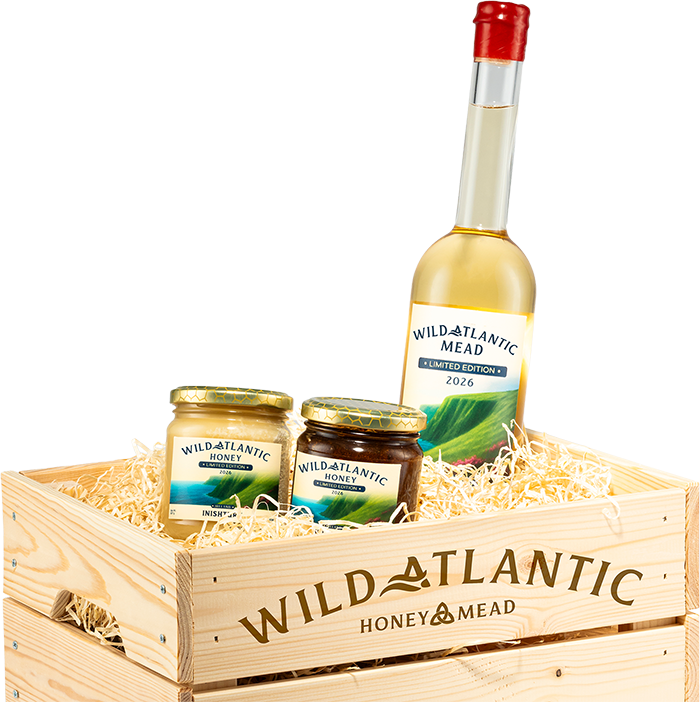
At Pareire Consulting, we are working alongside producers including Wild Atlantic
Mead and engaging with research bodies such as Teagasc, to develop structured
stability testing protocols appropriate for mead products at approximately 10% ABV.
This work reflects both regulatory expectations and emerging best practice within the
fermented beverage sector.
The Nature of Stability in Mead
Unlike distilled spirits, mead at ~10% alcohol by volume (ABV) does not inherently
guarantee microbiological or chemical stability. It sits closer to wine in its risk profile,
where multiple interacting variables—including pH, residual sugar, oxygen exposure,
and microbial load—can influence shelf life.
As outlined in current production frameworks, stability must be assessed across
three core domains:
a. Microbiological stability (absence of spoilage organisms or refermentation)
b. Chemical stability (maintenance of parameters such as pH, volatile acidity,
and sulphur dioxide levels)
c. Physical and sensory stability (clarity, colour, aroma, and taste over time)
Failure in any of these areas may lead to product spoilage, quality degradation, or in
certain cases, packaging failure.
Microbiological Risks and Refermentation
One of the primary risks in mead production is unintended refermentation in bottle.
This can occur where residual sugars remain and viable yeast or bacteria are
present. Mead, particularly when produced with minimal intervention, may contain:
a. Wild or cultured yeast strains
b. Lactic acid bacteria
c. Acetic acid bacteria
If not adequately controlled, these organisms can metabolise residual sugars post-
bottling, leading to:
Disclaimer-The information provided reflects current knowledge and sources considered reliable at the time of
writing. While care has been taken in its preparation, Pareire Consulting Ltd does not guarantee completeness or
ongoing accuracy.1. Carbon dioxide (CO₂) generation and pressure build-up
2. Turbidity or sediment formation
3. Off-flavours, including sour or vinegar notes
Fleet, 2003; Waterhouse et al., 2016 highlights that even low levels of microbial
contamination in wine-like beverages can result in measurable spoilage over time.
Accordingly, stability protocols typically require non-detectable microbial counts at
bottling and verification over time intervals (e.g. 3, 6, and 12 months).
Chemical Stability and Oxidation
Chemical stability is equally critical. Mead is particularly susceptible to oxidation due
to its composition and often delicate aromatic profile derived from honey.
Key parameters include:
a. pH (target typically approximately 3.2–4.0)
b. Volatile acidity (indicator of spoilage)
c. Dissolved oxygen levels
d. Sulphur dioxide (SO₂), where used
Exposure to oxygen—either during processing, bottling, or through closure systems
can lead to:
1. Browning of the liquid (Maillard-type reactions and polyphenol oxidation)
2. Loss of floral and honey-derived aromatics
3. Development of stale or sherry-like notes
Research from the International Organisation of Vine and Wine and studies such as
Ribéreau-Gayon et al. (2006) demonstrate that oxidation is one of the principal drivers
of quality degradation in wine-equivalent beverages.
Light Degradation
Although less frequently discussed in mead compared to beer, light exposure can also
contribute to product degradation. Ultraviolet (UV) and visible light can accelerate
oxidative reactions and degrade aromatic compounds.
Potential impacts include:
a. Loss of volatile floral compounds from honey
b. Development of atypical or “flat” sensory profiles
c. Colour changes over time
Disclaimer-The information provided reflects current knowledge and sources considered reliable at the time of
writing. While care has been taken in its preparation, Pareire Consulting Ltd does not guarantee completeness or
ongoing accuracy.For this reason, stability testing frameworks often include light exposure conditions
simulating retail environments, and packaging selection (e.g. amber vs clear glass)
becomes a relevant control measure.
Temperature Sensitivity and Storage Conditions
Temperature is a critical factor influencing both chemical and microbiological stability.
Elevated temperatures can accelerate reaction rates and exacerbate spoilage risks.
Testing protocols typically include:
a. Ambient conditions (approximately 20°C) to simulate normal storage
b. Elevated conditions (30–40°C) for accelerated stability assessment
Exposure to higher temperatures, even over short durations (e.g. transport or
warehousing), may result in:
1. Increased oxidation rates
2. Volatile aroma loss
3. Expansion of dissolved gases and potential pressure issues
4. Enhanced microbial activity where present
From a sensory perspective, temperature abuse can lead to noticeable taste and
odour deviations, including cooked, muted, or slightly sour notes.
Sensory Risks: Odour Contamination and Pre-Bottling Factors
A less obvious but important consideration is exposure to strong odours during
production and pre-bottling handling. Mead, due to its relatively delicate aromatic
profile, may absorb volatile compounds from the surrounding environment.
Risks include:
a. Cross-contamination from cleaning agents or nearby products
b. Absorption of environmental odours during storage or transfer
c. Packaging-related taints (e.g. from closures or adhesives)
These factors can result in:
1. Off-aromas detectable at low thresholds
2. Perceived “taint” that affects consumer acceptance
3. Variability between batches
Industry guidance from organisations such as the Food Safety Authority of Ireland
emphasises the importance of controlled production environments and validated food-
contact materials to mitigate such risks.
Disclaimer-The information provided reflects current knowledge and sources considered reliable at the time of
writing. While care has been taken in its preparation, Pareire Consulting Ltd does not guarantee completeness or
ongoing accuracy.Packaging and Closure Integrity
Packaging plays a central role in maintaining stability. As identified in the current
production framework, risks associated with packaging include:
a. Oxygen ingress through closures (e.g. cork variability)
b. Migration of substances from packaging materials
c. Seal failure leading to leakage or contamination
Testing requirements typically include:
1. Closure integrity testing
2. Migration compliance (EU 1935/2004)
3. Dissolved oxygen monitoring post-bottling
Closure selection is particularly important for mead, where oxygen sensitivity may be
higher than in some wines.
Shelf Life and Post-Opening Stability
Beyond unopened shelf life, consideration must also be given to product behaviour
after opening. Once exposed to air, mead may undergo:
a. Rapid oxidation
b. Aroma loss
c. Microbial exposure
Internal testing considerations include evaluating whether the product maintains
acceptable quality:
1. After 3 days refrigerated storage
2. Following short-term temperature exposure scenarios
Such testing supports the development of evidence-based consumer guidance and
reduces the risk of misleading shelf-life claims.
Structured Stability Testing with Teagasc
The collaboration with Teagasc is focused on establishing a structured, evidence-
based stability programme aligned with both regulatory expectations and scientific
best practice.
Key elements include:
a. Defined analytical parameters (ABV, pH, acidity, SO₂, residual sugar)
b. Microbiological testing to confirm absence of spoilage organisms
Disclaimer-The information provided reflects current knowledge and sources considered reliable at the time of
writing. While care has been taken in its preparation, Pareire Consulting Ltd does not guarantee completeness or
ongoing accuracy.c. Physical assessments (clarity, colour, CO₂ stability)
d. Sensory evaluation by trained panels
e. Multi-condition storage studies (ambient, elevated temperature, light
exposure)
The intended outcome of this work is to support:
1. A documented stability report
2. A justified shelf life
3. Clearly defined storage instructions
Regulatory and Compliance Context
From a regulatory perspective, stability is closely linked to multiple compliance
requirements, including:
a. Accurate ABV (alcohol) declaration
b. Food safety obligations under Food Business Operator (FBO) registration
c. Traceability and batch control
d. Packaging and labelling compliance
As outlined in the current compliance framework, absence of stability data represents
a critical risk, potentially leading to product recall or regulatory action.
Important Considerations and Limitations
It is important to note that stability outcomes are product-specific and depend on
formulation, processing methods, and packaging choices. The approaches described
above reflect current best practice but do not eliminate all risks.
Accordingly:
a. Stability testing must be conducted on the final commercial product
b. Results should be independently verified where required
c. Shelf-life claims must be supported by documented evidence
Conclusion
The production of stable, high-quality mead at approximately 10% ABV requires a
multidisciplinary approach combining microbiology, chemistry, packaging science, and
regulatory compliance. While traditional methods provide a foundation, modern
commercial production necessitates structured validation and ongoing monitoring.
Through collaboration with producers and research institutions such as Teagasc,
Pareire Consulting Ltd is supporting the development of robust, evidence-based
Disclaimer-The information provided reflects current knowledge and sources considered reliable at the time of
writing. While care has been taken in its preparation, Pareire Consulting Ltd does not guarantee completeness or
ongoing accuracy.stability frameworks designed to meet both regulatory expectations and consumer
quality standards.
References (indicative)
1. 2. 3. 4. 5. Fleet, G.H. (2003). Yeast interactions and wine flavour. International Journal
of Food Microbiology
Ribéreau-Gayon, P. et al. (2006). Handbook of Enology
Waterhouse, A.L. et al. (2016). Understanding Wine Chemistry
International Organisation of Vine and Wine guidelines
Food Safety Authority of Ireland guidance documents